Pancreatic cancer
Treatment studies at every stage, help with symptoms, and research into finding the disease sooner.
Read about Pancreatic cancerScleroderma is uncommon and varies from person to person, so each study tends to look at one part of it: the skin, the fingers, the lungs or the gut.
Systemic sclerosis is an autoimmune condition in which the body makes too much collagen. The skin thickens and tightens, often first on the fingers and face. Most people have Raynaud's, where fingers turn white or blue in the cold, and some get painful sores on the fingertips. It can also affect the lungs, the digestive tract, the kidneys and the heart.
Research tests medicines that calm the immune system or slow the build-up of scar tissue, treatments for Raynaud's and finger sores, and approaches for lung involvement. A few studies look at intensive treatments, such as stem cell transplant, for people with fast-moving disease.
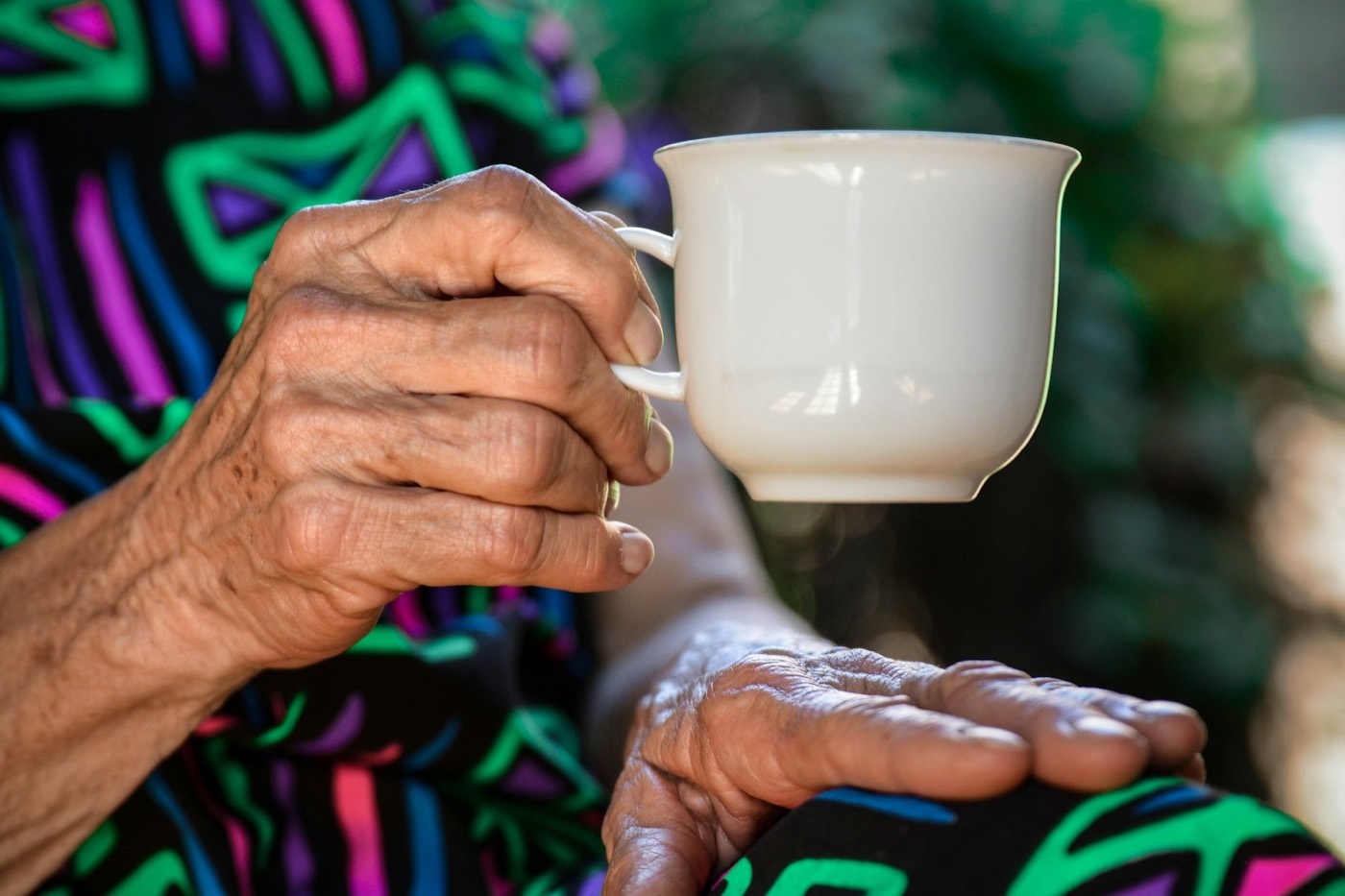
Most studies in this area fall into one of these groups. A listing usually says which one in its first lines.
Test whether a medicine softens the skin, measured by a doctor pinching set areas.
Look at medicines that improve blood flow to the fingers or help sores heal.
Study treatment for scarring of the lungs that comes with scleroderma.
Research on reflux, swallowing, bloating and keeping weight on.
What studies in this area often involve, and what a study team is likely to ask you for.
Write them down before you call. A good team expects them, and the answers help you decide.
Treatment studies at every stage, help with symptoms, and research into finding the disease sooner.
Read about Pancreatic cancerScarring of the lung tissue, the cough and breathlessness it brings, and the medicines that try to slow it.
Read about Pulmonary fibrosisAmyotrophic lateral sclerosis: medicines that aim to slow it, gene-targeted research, and help with breathing and speech.
Read about ALSSign up with this area chosen for you. We write now and then about research in it, by email, and by text if you check the box.